In the sprawling world of World of Warcraft, major story beats often unfold not through gameplay alone but via cinematic sequences that deliver emotional payoff. These in‑game cinematics are more than cutscenes — they’re carefully crafted moments designed to resonate, to give players a sense of closure, revelation, or transformation.
This article explores how Blizzard Entertainment uses cinematics to deliver emotional storytelling, the techniques they employ, and why they matter in a live‑service world built on constant updates.
Identifying the Emotional Payoff
An emotional payoff moment in world‑building occurs when narrative, theme, and player investment converge: a hero confronts their fear, a villain pays the price, a sacrifice is made, or a revelation reshapes the player’s understanding of the story. Cinematics amplify this by shifting tone, pacing, and focus in ways that gameplay alone struggles to achieve. According to one analysis: “cinematic storytelling in WoW … uses framing, pacing, music and symbolism to create emotional impact and unforgettable storytelling moments.”
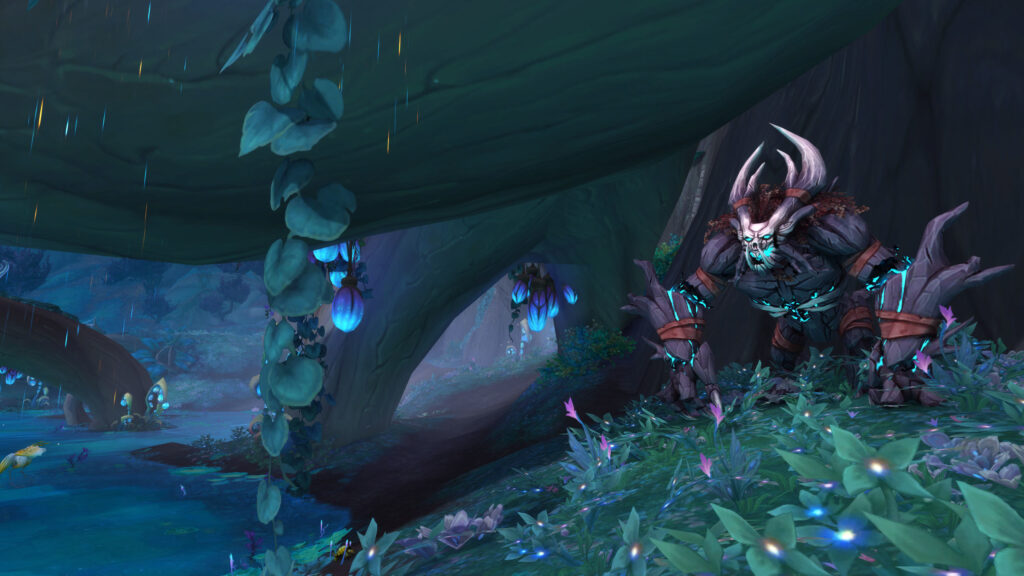
From the swelling strings as a fallen hero rises to save Azeroth, to the close‑up of a tear‑streaked face speaking of loss, Blizzard designs these moments to deliver catharsis. They’re not just “we finished the raid boss” scenes — they mark narrative turning points.
The Techniques Behind the Moments
Blizzard’s cinematics lean on a number of established techniques that make the emotional payoffs land:
- Visual framing & cinematography: Camera angles, cuts, and close‑ups convey emotion and priority. One player wrote, “Old WoW cutscenes had more atmosphere, better camera work … even the lip–sync looked tighter.”
- Music and sound design: Swells, silence, ambient cues — the audio component is tied to the emotional arc.
- Character focus and human (or humanoid) moments: By focusing on one character’s expression, choice or sacrifice, the scene gives players someone to emotionally anchor to.
- Temporal pacing and contrast: A calm before the storm, a pause after crisis — these cinematic “beats” allow space for emotion.
- Symbolism and visual motifs: Whether it’s the fading eye‑glow, the collapsing spire, or a fallen banner, subtle visual cues reinforce what’s at stake. For example, a discussion in fans forums noted that even the absence of eye‑glow in a cinematic was a deliberate design choice to convey a more vulnerable moment.
Why Cinematics Matter in WoW’s Evolving Narrative
In a live service game where updates, patches, and expansions reshape the world, cinematics serve several key roles:
- Marking narrative milestones: When a major arc ends (or begins), a cinematic helps give that moment weight and finality.
- Bridging content gaps: Cinematic sequences can link gameplay, questlines and expansions into a cohesive story.
- Player recognition of investment: After hours of questing, raiding or exploring, players see their effort rewarded with a cinematic that shows “this was meaningful”.
- Establishing tone for what comes next: Cinematics often set the emotional / thematic tone for the next chapter — as noted in one preview of a pre‑patch: “Holy crap, they’re actually talking like people.”
Challenges and Evolution
While cinematics are powerful, they also face challenges. Some community feedback has pointed out inconsistencies or dips in execution (“lifeless faces, flat camera angles and weak dialogue” in recent cutscenes). Maintaining high quality, emotional resonance, and relevance in a constantly updated game is non‑trivial.
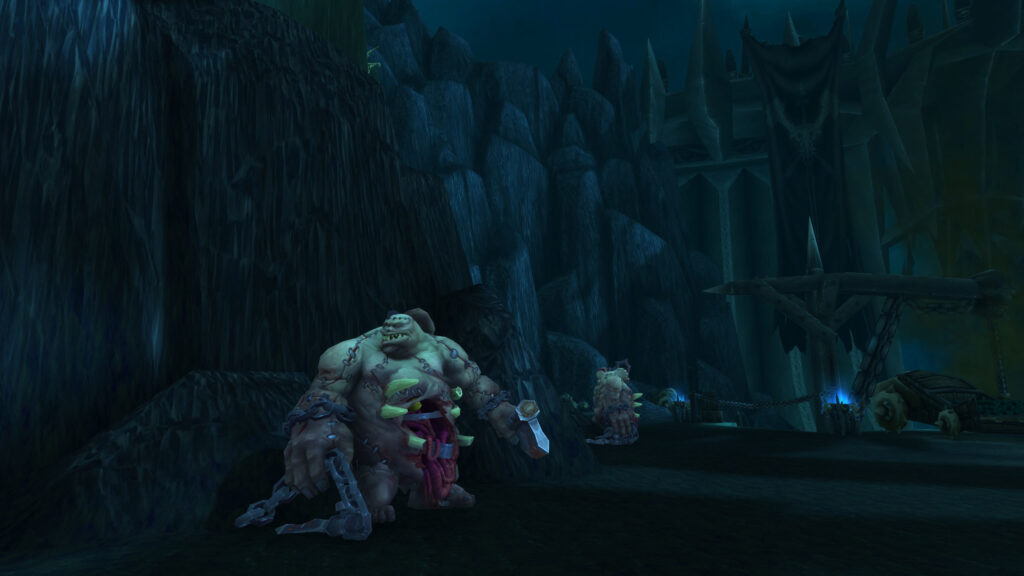
Moreover, cinematics must be accessible to players across many expansions and history — they need to carry weight even for newcomers, while also resonating with veterans. This balance is delicate.
Conclusion
By crafting cinematic moments with purpose, Blizzard gives players more than gameplay — it gives narrative closure, emotional stakes, and memorable drama. These payoffs matter because they validate the player’s time and investment in the world.
In WoW’s ongoing story, the cinematics are the moments players remember — the ones that spark discussion, fan art, and emotional responses. In essence, when done well, they transform digital sequences into shared experiences of triumph, loss and hope.